Understanding Mini Split AC Systems
As temperatures rise and the demand for efficient cooling solutions grows, mini split ac systems have emerged as a top choice for homeowners and businesses alike. These versatile units provide a multitude of benefits, from energy efficiency to customizable comfort levels. In this article, we will delve into the workings of mini split air conditioning systems, exploring their components, advantages, and installation processes to help you understand why they may be the right option for your space.
What is a Mini Split AC?
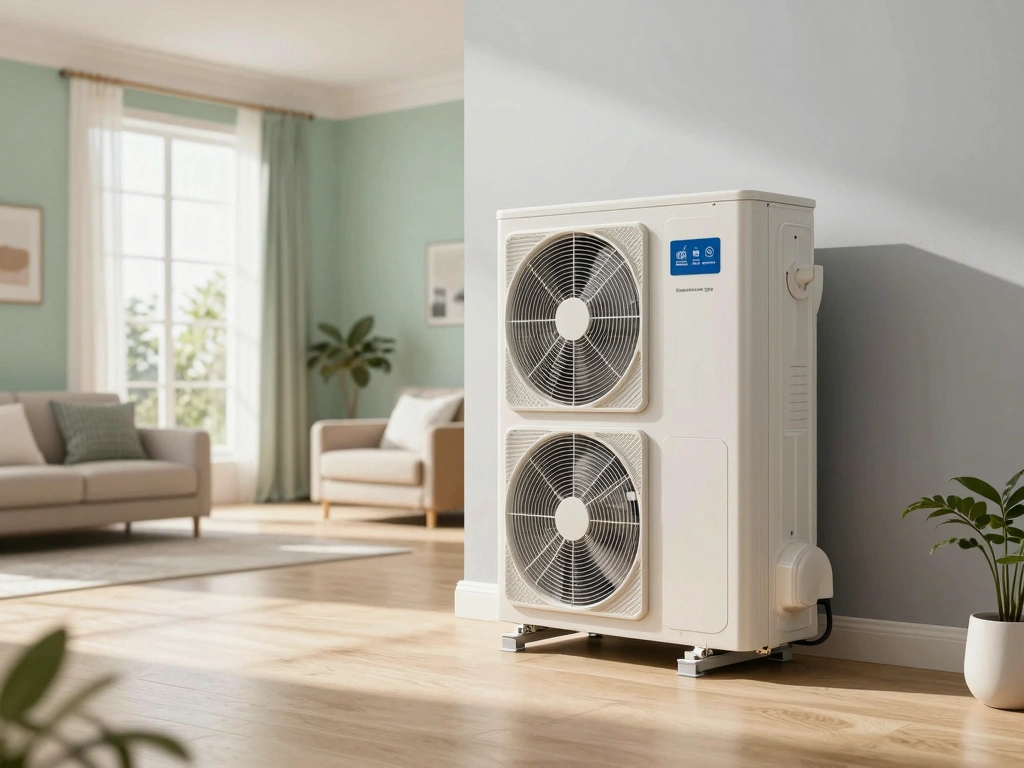
A mini split AC is a type of ductless air conditioning system that allows you to cool or heat individual rooms without the need for extensive ductwork. These systems consist of two main components: an outdoor condenser unit and one or more indoor air handling units. The absence of ducts not only simplifies the installation process but also results in improved energy efficiency, making them an attractive option for modern homeowners.
Components and Functionality of Mini Split ACs
The mini split AC system comprises several key components:
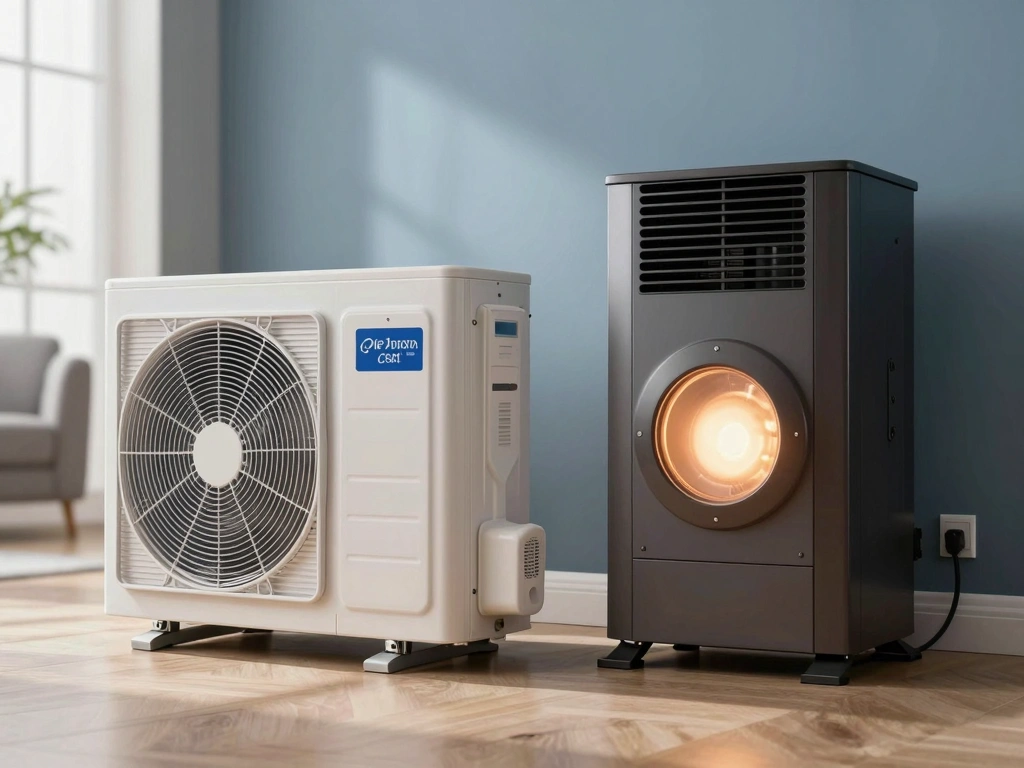
- Outdoor Unit: This unit houses the compressor and condenser, which expel heat from your home to the outside air.
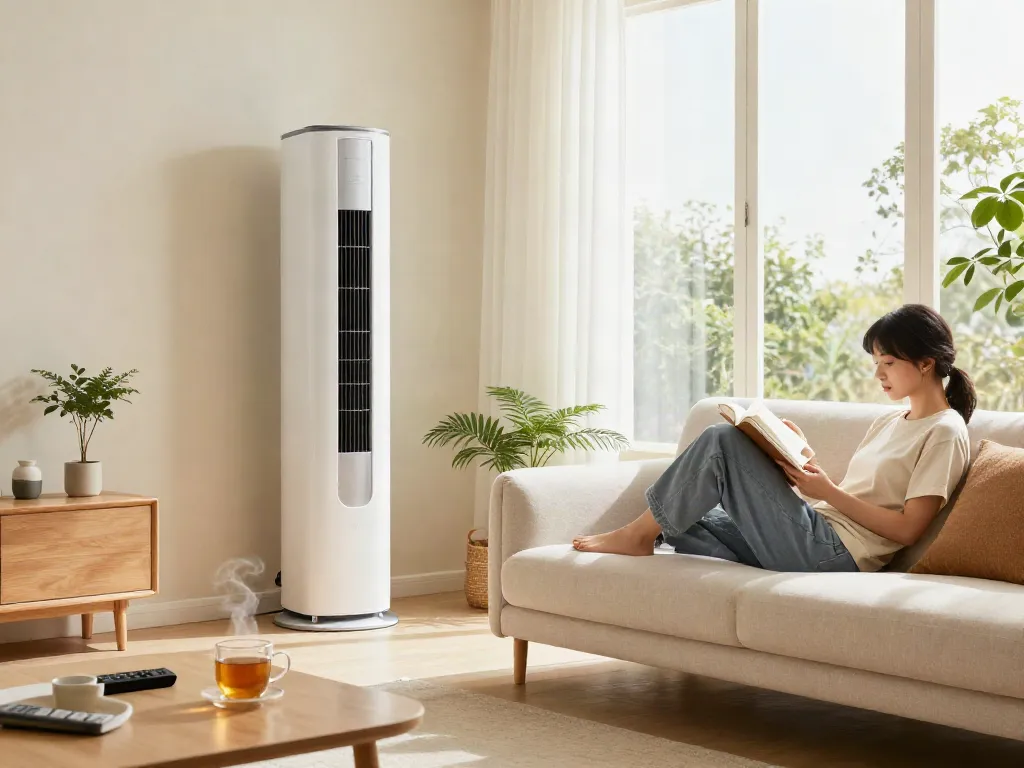
- Indoor Air Handler: This component is installed inside your home and distributes cool air through your living space. Multiple indoor units can be connected to a single outdoor unit, allowing for zoned heating and cooling.
- Refrigerant Lines: These insulated lines connect the outdoor and indoor units, allowing the refrigerant to flow and facilitate the cooling process.
- Remote Control: Most mini split systems come with a remote that gives you control over temperature settings and modes, providing added convenience.
Mini split AC systems operate by transferring heat rather than generating cold air. The refrigerant absorbs heat from inside your home and releases it outside, creating a comfortable environment without the need for bulky ductwork.
Benefits of Choosing a Mini Split AC
Mini split ACs offer numerous advantages, including:
- Energy Efficiency: With higher SEER ratings compared to traditional systems, mini splits consume less energy, leading to lower utility bills.
- Zoned Comfort: Individual rooms or zones can be controlled separately, allowing for personalized comfort settings throughout the home.
- Space Saving: Their compact design allows for greater flexibility in installation, making them ideal for homes without existing ductwork.
- Quiet Operation: Mini split systems operate quietly, providing a tranquil environment without the disruptive noise often associated with window units.
Installation Guidelines for Mini Split ACs
Preparing Your Space for Installation
Before installing a mini split AC system, assess the areas you want to cool or heat. Consider factors such as the size of the room, insulation quality, and sunlight exposure. Properly preparing your space ensures that the system operates at maximum efficiency. It may also help to consult with a professional to determine the best placement for both the indoor and outdoor units.
DIY vs. Professional Installation: What You Need to Know
While some homeowners may be tempted to install mini split systems themselves to save on costs, hiring a professional is often the best choice. Professionals bring expertise in proper installation techniques and ensure compliance with local codes and regulations. Additionally, many manufacturers require professional installation to maintain warranties.
Common Installation Mistakes to Avoid
If you choose to install a mini split AC yourself, be mindful of these common mistakes:
- Improper Sizing: Installing a unit that is too large or too small can lead to inefficient operation and increased energy costs.
- Poor Placement: Positioning the indoor unit incorrectly can impact airflow and cooling performance.
- Ignoring Local Codes: Ensure compliance with local building codes to avoid legal issues and ensure safety.
Energy Efficiency and Cost Savings
How Mini Split ACs Compare to Traditional Systems
In comparison to traditional HVAC systems, mini split ACs demonstrate superior energy efficiency. Traditional systems often lose energy during distribution through ducts, while mini splits deliver cool air directly to the desired space. This efficiency translates into significant savings on energy bills, making them a more cost-effective choice over time.
Understanding SEER Ratings and Efficiency Metrics
Seasonal Energy Efficiency Ratio (SEER) ratings measure the efficiency of air conditioning systems. Mini split ACs typically have higher SEER ratings, often exceeding 20, which indicates they use less energy to cool your home effectively. When selecting a mini split, focus on models with high SEER ratings to ensure optimal energy efficiency.
Strategies for Maximizing Energy Savings with Mini Split ACs
To maximize the energy savings offered by mini split ACs, consider implementing the following strategies:
- Set Thermostat Wisely: Adjust your thermostat settings to align with your daily schedule, optimizing cooling capabilities during peak hours.
- Use Energy-Saving Modes: Many mini split models include energy-saving modes that intelligently adjust cooling based on ambient temperature.
- Maintain Proper Insulation: Ensure your home is adequately insulated to reduce the workload on your mini split system.
Maintenance Tips for Your Mini Split AC
Regular Maintenance Checklist for Longevity
Routine maintenance is vital for keeping your mini split AC operating efficiently. Here’s a simple checklist to follow:
- Clean or Replace Filters: Check filters monthly and clean or replace them as needed to promote proper airflow.
- Inspect Drainage Lines: Ensure that drainage lines are clear of debris to prevent water buildup.
- Schedule Professional Maintenance: Have your system serviced by a professional at least once a year to check for potential issues.
Signs Your Mini Split AC Needs Repairs
Be alert for these signs that your mini split AC may require repairs:
- Strange noises during operation
- Inconsistent cooling throughout your space
- Unusual odors emanating from the unit
- Increased energy bills
DIY Maintenance vs. Professional Services: When to Call
While there are many maintenance tasks you can handle yourself, such as changing filters, some situations warrant professional help. If you notice persistent issues or are unsure about the performance of your system, it’s best to consult an HVAC technician.
Future Trends in Mini Split AC Technology (2026 and Beyond)
Smart Technology Integration in Mini Split ACs
The integration of smart technology in mini split systems is on the rise. Many models now come with Wi-Fi capabilities, allowing users to control temperature settings remotely via smartphones or home automation systems. This not only enhances convenience but can lead to significant energy savings through optimized scheduling.
Emerging Standards for Energy Efficiency
As environmental concerns intensify, stricter energy efficiency regulations are being implemented. Manufacturers are responding by developing mini split ACs with improved SEER ratings and eco-friendly refrigerants, aligning with global sustainability efforts.
The Role of Mini Split ACs in Sustainable Living
Mini split AC systems offer an effective solution for sustainable living by reducing energy consumption and greenhouse gas emissions. As these units evolve, they will continue to play a crucial role in energy-efficient architectures and sustainable construction practices.
What are the Environmental Impacts of Mini Split Systems?
While mini split systems contribute to energy efficiency, the type of refrigerant used is also a factor in their environmental impact. Leading manufacturers are transitioning to low-impact refrigerants, which offer improved efficiency without contributing to ozone depletion.
How Mini Split ACs will Evolve by 2026?
The future of mini split AC technology is destined to be shaped by advancements in energy efficiency, smart home integration, and sustainable practices. By 2026, consumers can expect systems that not only provide superior comfort but also align with eco-friendly standards and contribute to a sustainable future.